
Why Rocky Terrain Might Be Cheaper to Buy But Costlier to Build On.
When searching for land, many buyers are naturally drawn to lower-priced plots. One of the most common reasons land is sold below the average market rate is rocky terrain. At first glance, purchasing rocky land may seem like a smart investment because of its affordability. However, what many first-time buyers fail to consider are the hidden development costs that come with building on rocky ground.
Understanding the relationship between terrain, construction costs, and land investment is essential before making a purchase. While rocky land can present unique opportunities, it often requires significant additional investment before construction can even begin.
What Is Rocky Terrain?
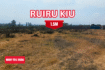
Rocky terrain refers to land where bedrock, large stones, or exposed rock formations are found on or near the surface. These plots are common in hilly regions, mountainous areas, and certain semi-arid locations.
Because excavation and site preparation are more complex, rocky plots typically sell at a lower price than comparable flat land.
SEO Keywords: rocky land for sale, affordable land investment, land buying tips, cheap plots for sale, terrain and property value.
Why Rocky Land Is Often Cheaper
Several factors contribute to the lower purchase price of rocky terrain.
Limited Development Appeal
Many buyers prefer land that is immediately ready for construction. Rocky plots require additional preparation, reducing demand and ultimately lowering market prices.
Higher Perceived Risk
Developers often factor future construction costs into their purchasing decisions. Since rocky land usually involves expensive groundwork, buyers negotiate lower prices to offset those anticipated expenses.
Fewer Agricultural Uses
Rocky terrain generally has shallow soils, making it less suitable for crop farming or intensive agriculture. This limits its versatility and can reduce its market value.
The Hidden Costs of Building on Rocky Terrain
While the purchase price may be attractive, construction expenses can quickly outweigh the initial savings.
1. Expensive Excavation
Removing rock requires specialized equipment such as:
- Hydraulic breakers
- Rock hammers
- Heavy excavators
- Controlled blasting in approved locations
Unlike ordinary soil excavation, rock removal is labor-intensive and time-consuming, significantly increasing site preparation costs.
2. Higher Foundation Costs
Building foundations on solid rock often requires specialized engineering techniques.
Depending on the project, contractors may need to:
- Cut into bedrock
- Install reinforced foundations
- Create stepped foundations on uneven terrain
- Conduct structural reinforcement
These engineering solutions increase both labor and material costs.
3. Longer Construction Timelines
Excavation delays can slow every stage of construction.
Additional time spent preparing the site often leads to:
- Increased labor costs
- Equipment rental expenses
- Delayed project completion
- Higher financing costs for developers
Time is money, especially for commercial developments.
Infrastructure Installation Can Be More Expensive
Rocky terrain affects more than just the building itself.
Installing infrastructure such as:
- Water pipelines
- Sewer systems
- Drainage channels
- Electrical conduits
- Internet cabling
often requires cutting through solid rock, making utility installation considerably more expensive than on ordinary soil.
Drainage Advantages of Rocky Land
Despite the challenges, rocky terrain offers certain benefits.
Well-drained rocky land is less likely to experience:
- Flooding
- Waterlogging
- Soil compaction
- Foundation movement caused by saturated soils
This natural drainage can reduce long-term maintenance costs in some developments.
When Rocky Land Makes Financial Sense
Not every rocky property should be avoided.
Rocky terrain may be an excellent investment for:
- Luxury hilltop homes
- Eco-lodges
- Tourist resorts
- Scenic vacation homes
- Viewpoint developments
Properties overlooking valleys, lakes, forests, or mountains often command premium prices that justify the additional construction costs.
Always Conduct a Site Assessment
Before purchasing rocky land, investors should conduct thorough due diligence.
Consider hiring professionals to evaluate:
- Rock depth
- Soil conditions
- Excavation requirements
- Foundation recommendations
- Drainage characteristics
- Utility installation feasibility
A professional site assessment helps estimate the true cost of development before committing to the purchase.
Compare Total Development Cost Not Just Purchase Price.
A cheaper plot does not always represent better value.
For example:
- Flat land purchase: Higher initial price but lower construction costs.
- Rocky land purchase: Lower purchase price but significantly higher site preparation and building expenses.
Savvy investors calculate the total project cost, including land acquisition, excavation, engineering, infrastructure, permits, and construction before making a decision.
Tips for Buying Rocky Land
If you’re considering investing in rocky terrain:
- Visit the site before buying.
- Obtain a professional land survey.
- Request a geotechnical soil investigation if building immediately.
- Consult experienced contractors about excavation costs.
- Verify road access for heavy machinery.
- Evaluate future resale potential.
Careful planning can prevent expensive surprises later.
Conclusion
Rocky terrain often attracts buyers because of its affordable purchase price, but the true cost of ownership extends far beyond the sale agreement. Excavation, specialized foundations, infrastructure installation, and longer construction timelines can significantly increase the total investment required.
However, rocky land should not automatically be dismissed. In the right location, particularly where scenic views or tourism potential exist, it can become a highly profitable investment. The key is understanding the terrain, conducting proper due diligence, and budgeting for the full development cost not just the purchase price.