

What Makes Land Appreciate in Value?
Introduction
Land has long been considered one of the safest and most profitable investments in Kenya. Unlike many assets that depreciate over time, land often increases in value, making it an attractive option for individuals seeking long-term wealth creation. However, not all land appreciates at the same rate. Understanding the factors that drive land appreciation can help investors make informed decisions and maximize returns on their real estate investments.
If you are planning to buy land for investment, development, or future resale, knowing what influences land value is essential.
What Is Land Appreciation?
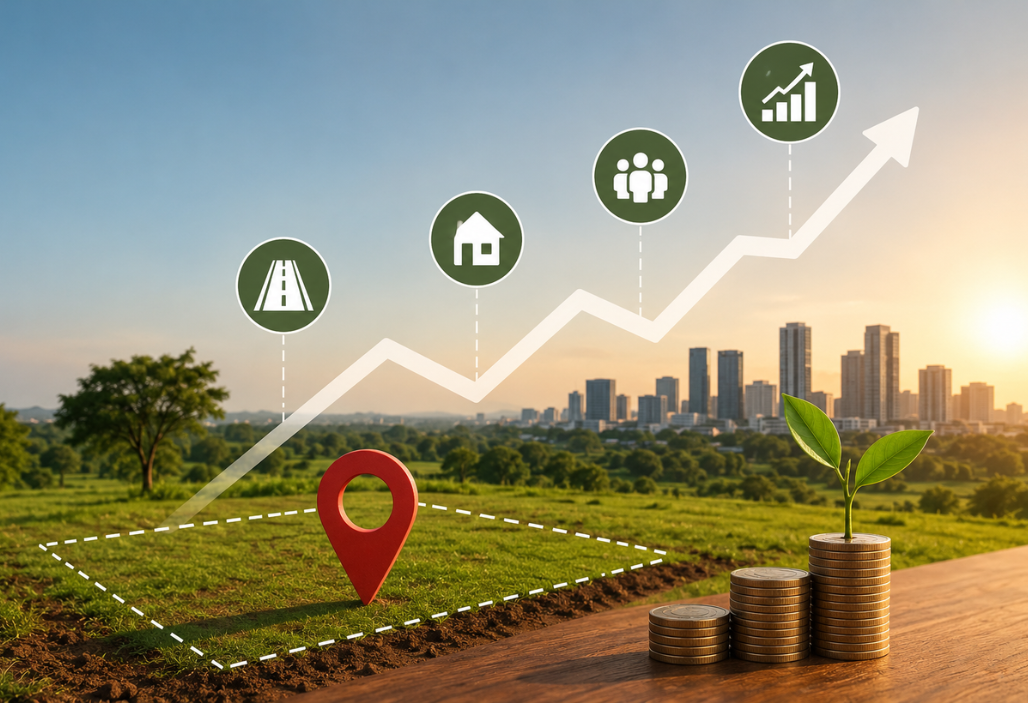
Land appreciation refers to the increase in the market value of a piece of land over time. When land is purchased at a certain price and later sold for a higher amount, the difference represents the appreciation gained.
For example, a plot purchased for KSh 500,000 and sold five years later for KSh 1.5 million has appreciated significantly, generating substantial returns for the investor.
Location Remains the Most Important Factor.
The old real estate principle of “location, location, location” remains true today. Land situated in strategic locations tends to appreciate faster than land in remote or less accessible areas.
Investors often look for land near:
- Major highways
- Urban centers
- Schools and universities
- Hospitals
- Shopping centers
- Industrial parks
- Business districts
As demand increases in these areas, land values naturally rise.
Properties located near growing towns and cities often experience the highest appreciation rates because more people want to live, work, and do business there.
Infrastructure Development.
One of the biggest drivers of land appreciation in Kenya is infrastructure development.
When governments invest in:
- New roads
- Bypasses
- Railways
- Airports
- Water systems
- Electricity connections
the surrounding land becomes more attractive to investors and developers.
Improved accessibility often increases demand, which pushes property prices upward. Areas that were once considered remote can quickly become investment hotspots once major infrastructure projects are completed.
This is why experienced investors closely monitor upcoming government development projects before purchasing land.
Population Growth and Urbanization.
Kenya’s population continues to grow, creating increased demand for housing, commercial spaces, and public amenities.
As cities expand, people move into surrounding regions in search of affordable land and housing. This process, known as urban sprawl, contributes significantly to rising land values.
Areas previously considered rural can rapidly transform into thriving residential and commercial zones as populations increase.
The growing demand for land naturally leads to higher prices over time.
Economic Growth and Business Expansion.
A strong economy often leads to higher land values. As businesses expand and employment opportunities increase, more people seek property for residential and commercial purposes.
New factories, business parks, shopping malls, and industrial zones attract workers and investors, increasing demand for nearby land.
Regions experiencing economic growth tend to record faster land appreciation than areas with limited development activity.
Availability of Utilities and Services.
Land with access to essential services generally commands higher prices.
Buyers and developers often prefer land with:
- Electricity
- Water supply
- Internet connectivity
- Sewer systems
- Good road networks
The presence of these utilities reduces development costs and makes the property more attractive.
As more services become available in a region, surrounding land values often increase.
Scarcity of Land.
One of the most fundamental principles affecting land appreciation is scarcity.
Land is a finite resource. As populations grow and development expands, the supply of available land decreases while demand continues to rise.
This imbalance between supply and demand is a major reason why land values generally increase over the long term.
Prime land in strategic locations becomes especially valuable because opportunities to acquire similar property become increasingly limited.
Zoning and Development Potential.
The intended use of land can significantly affect its value.
Land designated for:
- Commercial development
- Mixed-use projects
- Residential estates
- Industrial development
often appreciates faster than land with limited development potential.
Changes in zoning regulations can also increase property values by allowing more profitable land uses.
Investors should evaluate the future development possibilities of a location before purchasing land.
Security and Neighborhood Growth.
People prefer investing in areas that offer safety, stability, and quality living environments.
As neighborhoods develop with schools, hospitals, shopping centers, and recreational facilities, demand for property increases.
Secure and well-planned communities often experience stronger land appreciation because they attract both homeowners and businesses.