
How to Protect Your Land from Soil Erosion During the Rainy Season
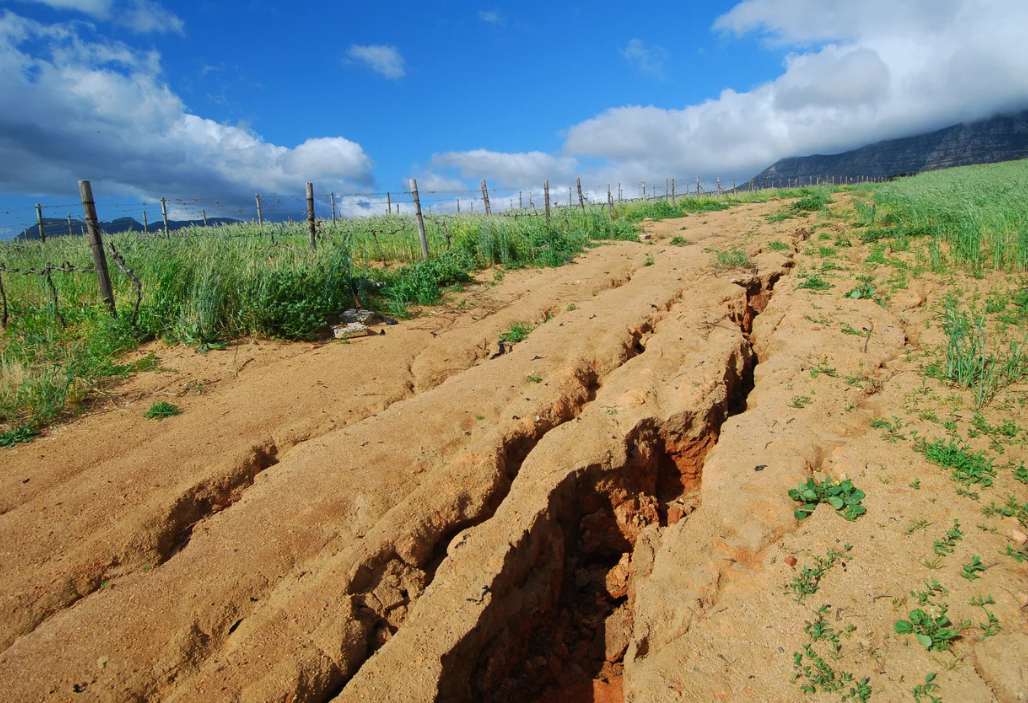
Heavy rains can be both a blessing and a threat especially for landowners. While rainfall supports agriculture and greenery, it can also lead to soil erosion, washing away fertile topsoil, damaging land structure, and reducing property value.
For land investors, farmers, and developers, protecting your land from erosion is essential for long-term sustainability, construction stability, and investment security.
This guide explores practical, proven strategies to prevent soil erosion during the rainy season.
1. Understand Why Soil Erosion Happens
Soil erosion occurs when rainwater dislodges and carries away the top layer of soil.
Key causes include:
- Heavy rainfall and runoff
- Bare or exposed land
- Sloping terrain
- Poor drainage systems
Rainfall intensity directly increases erosion risk because fast-moving water washes away soil nutrients and structure.
The goal is simple: slow down water, protect the soil, and improve absorption.
2. Keep the Soil Covered at All Times
One of the most effective ways to prevent erosion is to cover the soil.
Methods:
- Plant grass or vegetation
- Use mulch (dry leaves, grass, crop residue)
- Plant cover crops
Vegetation acts as a natural barrier, holding soil together and reducing the impact of raindrops.
Mulching can reduce soil loss by up to 60–99%, making it one of the most powerful techniques available.
3. Practice Contour Farming
If your land is sloped, avoid ploughing or building straight downhill.
Instead:
- Follow the natural contours of the land
- Create ridges across the slope
Contour farming slows down water flow and reduces erosion significantly by preventing runoff from gaining speed.
4. Build Terraces on Sloped Land
For steep land, terracing is one of the most effective solutions.
Terraces:
- Break long slopes into smaller, level steps
- Reduce water speed
- Prevent soil from being washed downhill
Terracing has been used for centuries and remains one of the most reliable erosion control methods.
5. Install Drainage Systems
Uncontrolled water flow is a major cause of erosion.
Proper drainage helps to:
- Redirect excess water
- Prevent water accumulation
- Reduce soil displacement
Examples:
- Drainage channels
- Cut-off drains
- Water diversion trenches
Managing runoff is essential because erosion is largely caused by fast-moving surface water.
6. Use Physical Barriers (Bunds and Stones)
Physical barriers help slow down water and trap soil.
Common methods include:
- Stone bunds
- Soil bunds
- Check dams
These structures are placed along contour lines to reduce runoff speed and prevent soil loss.
Even simple barriers can make a big difference, especially on sloped land.
7. Plant Trees and Deep-Rooted Vegetation
Trees and shrubs provide long-term erosion control by:
- Strengthening soil with deep roots
- Reducing wind and water impact
- Improving soil structure
Windbreaks and vegetation strips also help stabilize land and prevent erosion over time.
8. Avoid Over-Clearing and Overgrazing
Bare land is highly vulnerable to erosion.
Avoid:
- Clearing all vegetation at once
- Overgrazing by livestock
- Excessive tilling
Keeping land undisturbed helps maintain soil structure and reduces erosion risk.
9. Improve Soil Structure with Organic Matter
Healthy soil is less likely to erode.
Add:
- Compost
- Manure
- Organic residues
Organic matter improves soil stability, increases water absorption, and reduces runoff.
Even a small increase in organic content can significantly reduce soil loss.
10. Combine Methods for Best Results
No single method is enough on its own.
Experts recommend combining:
- Vegetative methods (plants, grass)
- Structural methods (terraces, bunds)
- Management practices (drainage, soil care)
This integrated approach provides maximum protection against erosion.
11. Why This Matters for Land Investors
Soil erosion is not just an environmental issue, it directly affects:
- Land value
- Construction stability
- Agricultural productivity
- Long-term investment returns
Uncontrolled erosion can lead to:
- Loss of fertile soil
- Foundation problems
- Reduced resale value
Protecting your land is protecting your investment.
Conclusion
The rainy season doesn’t have to be a threat to your land, it can be an opportunity to strengthen it.
Key Takeaways:
- Keep soil covered with vegetation or mulch
- Slow water using contours, terraces, and barriers
- Improve drainage and soil health
- Combine multiple strategies for best results
The principle is simple:
Slow the water, strengthen the soil, and protect the surface.
With the right measures in place, your land can remain stable, productive, and valuable rain or shine.