

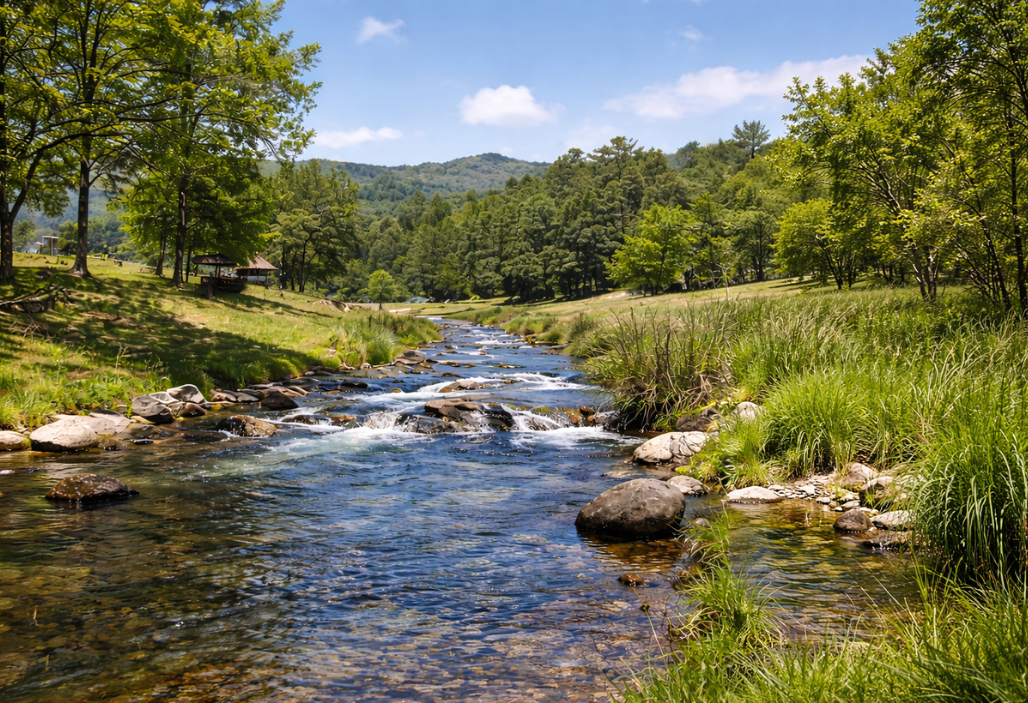
Investing in Land with Natural Water Sources: A Strategic Move
In today’s evolving real estate market, smart investors are looking beyond location and price. One often overlooked but highly valuable feature is access to natural water sources. Whether it’s a river, stream, spring, or underground water, land with reliable water access is increasingly becoming a premium investment asset.
As climate change, urbanization, and population growth continue to strain water availability, land with natural water sources is proving to be both practical and profitable.
1. Why Water Is a Critical Investment Factor
Water is one of the most essential resources for human life, agriculture, and development. In real estate, it directly influences:
- Land usability
- Development potential
- Property value
- Long-term sustainability
Studies show that availability of water significantly increases land value, while scarcity can reduce demand and limit development potential .
In simple terms:
No water = limited value
Reliable water = high potential
2. Increased Land Value and Demand
Land with natural water sources often commands higher prices because:
- Buyers prioritize reliable water supply
- Developers reduce infrastructure costs
- Agricultural potential increases
According to property insights, proximity to water sources such as rivers or boreholes enhances land value, especially for agriculture and industrial use .
Additionally, properties near clean water bodies are often more attractive due to their scenic and lifestyle appeal .
3. Reduced Development Costs
One of the biggest hidden costs in land development is water access.
Without natural water sources, you may need to:
- Drill a borehole
- Transport water
- Install storage systems
These costs can run into hundreds of thousands of shillings.
With natural water access:
- Construction becomes easier
- Utility costs are lower
- Project timelines are shorter
This makes such land highly attractive to both individual buyers and developers.
4. Strong Agricultural and Commercial Potential
Land with water is ideal for:
- Farming (irrigation)
- Livestock keeping
- Greenhouses
- Agribusiness ventures
Water availability directly supports productivity and profitability in agriculture.
Experts note that water resources are essential for sustainable land use and economic development, especially in regions facing water challenges .
This makes such land not just an asset but a revenue-generating opportunity.
5. Climate Resilience and Future Value
As climate change intensifies, water is becoming a scarce resource in many regions.
Research shows that:
- Areas with water scarcity experience declining property values
- Areas with reliable water sources become more desirable
This means land with natural water sources is:
- More resilient to environmental changes
- Likely to appreciate faster
- Safer as a long-term investment
6. Lifestyle and Eco-Tourism Appeal
Land near water bodies offers additional value through lifestyle and tourism opportunities.
Such land can be used for:
- Holiday homes
- Airbnb developments
- Eco-lodges
- Recreational facilities
Natural features like rivers and lakes enhance aesthetic value, which is a key factor in real estate pricing .
7. Risks to Consider Before Investing
While water is valuable, it also comes with risks that must be managed.
1. Flood Risk
Land near rivers or lakes may be prone to flooding, which can reduce value and increase insurance costs .
2. Environmental Restrictions
Some areas (e.g., riparian land or wetlands) have strict regulations on development.
3. Water Quality
Polluted water sources can reduce land desirability and pose health risks.
4. Maintenance and Drainage
Proper drainage systems may be required to prevent waterlogging.
8. Strategic Tips for Investors
To maximize value and minimize risk:
- Conduct a site inspection
- Check if the land is in a flood-prone or riparian zone
- Test water quality
- Confirm legal boundaries and restrictions
- Work with professionals (surveyors and environmental experts)
Smart due diligence ensures your investment remains secure and profitable.
9. Ideal Locations for Water-Based Land Investment
In Kenya, areas with strong water potential include:
- Regions near rivers and dams
- Highland areas with natural springs
- Agricultural zones with reliable rainfall
These locations offer a balance between affordability, productivity, and long-term growth.
10. Long-Term Investment Outlook
Land with natural water sources is not just a short-term opportunity, it is a future-proof investment.
As demand for water continues to grow:
- Such land will become more scarce
- Prices will likely increase
- Development opportunities will expand
Investors who secure these properties early are likely to benefit the most.
Conclusion
Investing in land with natural water sources is a strategic and forward-thinking move. However, like any investment, it requires proper due diligence and planning.
In a future where water is becoming increasingly valuable, land with reliable natural water access is not just an asset, it’s a smart investment in sustainability and growth.