

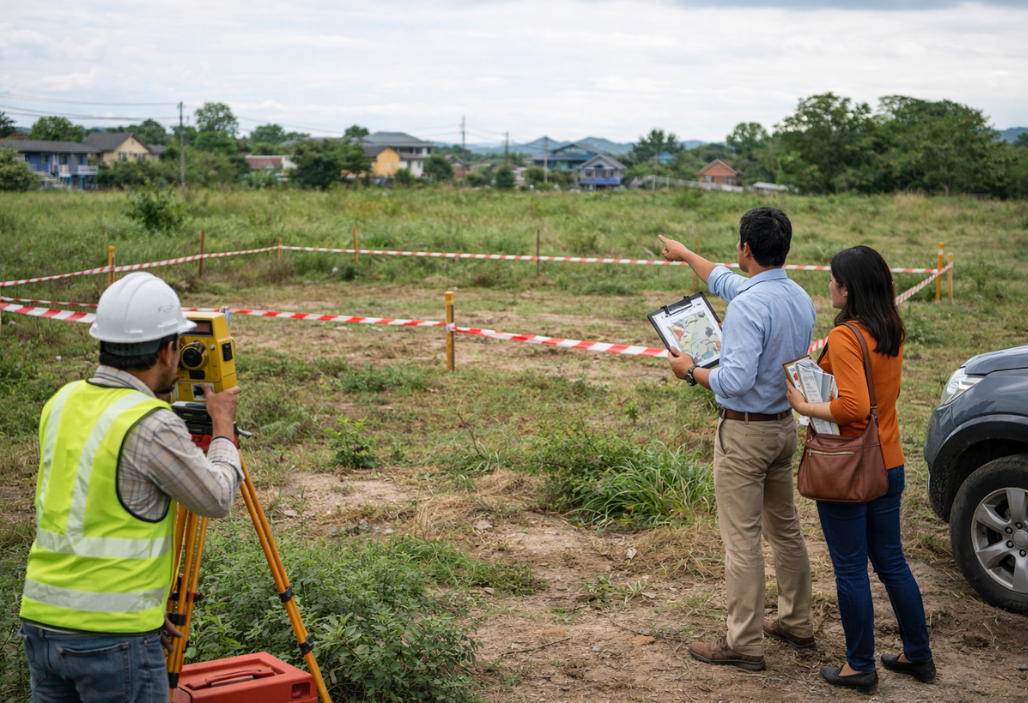
Why You Should Never Buy Land Without a Site Visit
Buying land is one of the biggest financial decisions you can make especially in growing real estate markets like Kenya. Many buyers rely only on photos, brochures, or word-of-mouth promises when investing in property. However, skipping a physical site visit before buying land is one of the most costly mistakes you can make. A personal visit helps you verify the true condition, value, and potential of a plot before committing your money.
In this guide, we break down why a site inspection is essential in land investment and how it protects you from financial loss and legal headaches.
1. Verify the Actual Location and Accessibility
One of the biggest risks in land transactions is misleading information about location. Some sellers exaggerate proximity to highways, towns, or key infrastructure. A site visit allows you to confirm the exact location, access roads, and surrounding developments.
For example, online listings may claim a property is “5 minutes from the main road,” but a physical visit might reveal poor access or unmaintained roads. Community discussions among Kenyan land buyers highlight that visiting a site often exposes exaggerations about road access or nearby amenities.
Key checks during your visit:
- Road condition and accessibility
- Distance from schools, hospitals, and markets
- Availability of public transport
- Future infrastructure developments
2. Confirm Land Boundaries and Physical Features
Maps and documents rarely give the full picture. During a site visit, you can physically inspect boundaries, terrain, and environmental conditions.
Important factors to examine include:
- Accurate plot dimensions
- Terrain (rocky, swampy, sloped, or flat)
- Soil quality and drainage
- Flood risk or erosion signs
Environmental problems like contamination or wetlands can affect land usability and value if not identified early.
3. Detect Hidden Legal and Zoning Issues
A site visit allows you to interact with neighbors, local authorities, or community leaders who may reveal disputes or ownership conflicts. You might discover:
- Encroachment or boundary disagreements
- Informal occupants or squatters
- Restricted zoning regulations
Zoning and land-use restrictions can significantly limit what you can build on a plot, leading to costly delays or legal complications.
4. Evaluate the Neighborhood and Investment Potential
Land value is not just about the plot, it’s about the environment. Visiting the area helps you assess safety, community development, and future growth potential.
Observe:
- Quality of neighboring developments
- Security and social environment
- Ongoing construction projects
- Planned government infrastructure
A thriving neighborhood often signals strong appreciation potential and better resale value.
5. Avoid Scams and Misrepresentation
Real estate fraud remains a major concern, especially with remote or online land purchases. Physical inspections help you verify the existence of the property and confirm seller claims. Kenyan buyers frequently emphasize that combining due diligence with site visits is crucial to avoid scams and unrealistic marketing promises.
A visit also allows you to compare documentation with the physical land ensuring that title details match the actual property.
6. Make Better Development Decisions
Seeing the land firsthand helps you visualize construction possibilities. You can assess:
- Building orientation and sunlight
- Space for utilities and drainage
- Accessibility for construction equipment
These factors influence design, construction costs, and long-term usability.
Practical Site Visit Checklist
Before purchasing land, ensure you:
- Carry the title deed copy or map for comparison
- Bring a surveyor or real estate professional if possible
- Take photos and videos of the property
- Talk to neighbors about ownership history
- Visit the land at different times of the day
Final Thoughts
A site visit is more than just a formality, it’s a powerful tool that protects your investment. By physically inspecting land before buying, you can confirm location, identify risks, verify legal details, and make informed decisions about development potential. Skipping this step exposes you to hidden problems that could cost millions in losses or legal disputes.
If you’re planning to invest in land, make it a strict rule: never buy without a site visit and thorough due diligence. Taking a few hours to inspect a property today can save you years of regret tomorrow.