

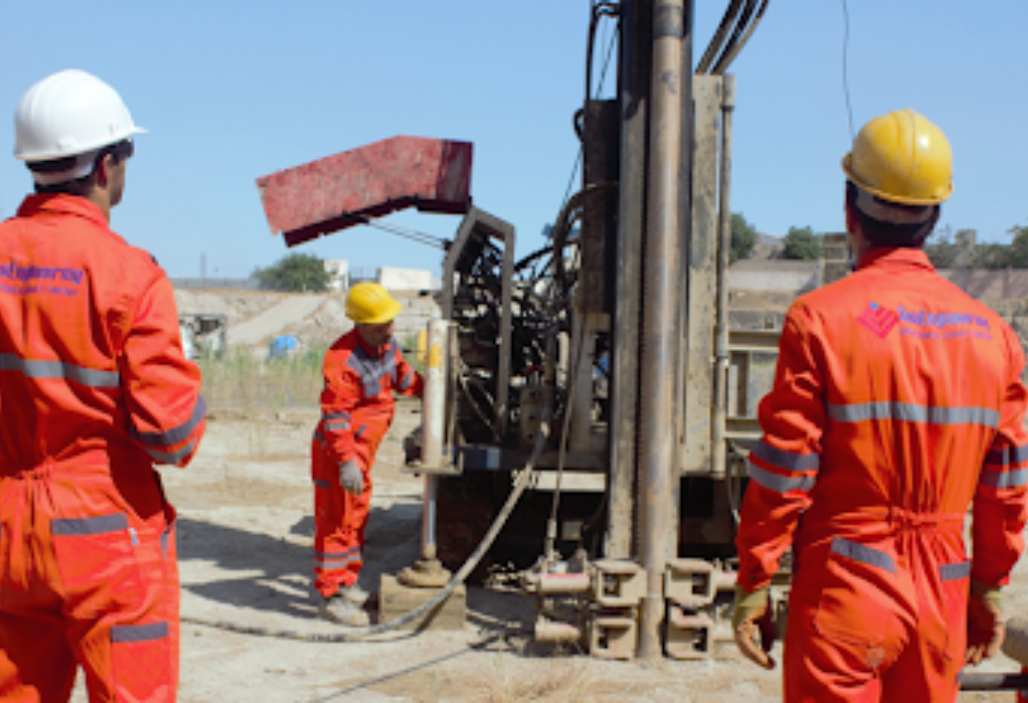
Why You Need a Geotechnical Survey Before Major Development
Before laying the first brick on a major development whether it’s a residential estate, commercial complex, or gated community, a geotechnical survey is non-negotiable. This specialized investigation reveals what lies beneath your plot: soil composition, load-bearing capacity, groundwater conditions, and potential hazards. Ignoring these insights can lead to structural failures, costly redesigns, and even legal liabilities.
In fast-growing markets like Kenya’s peri-urban corridors, where soils vary widely over short distances, a geotechnical survey turns uncertainty into data-driven decisions.
What Is a Geotechnical Survey?
A geotechnical survey (also known as soil investigation or site investigation) examines subsurface conditions using boreholes, test pits, and lab analyses to determine:
- Soil type and classification (clay, sand, silt, rock)
- Soil strength and compressibility
- Groundwater levels and seasonal fluctuation
- Presence of contaminants or expansive soils
- Suitability for foundations, roads, and underground utilities
Qualified geotechnical engineers conduct these surveys and produce a report with recommendations for foundation design, earthworks, drainage and construction planning.
1. Understand Soil Behavior to Avoid Structural Failures
Not all soils are equal. A plot that looks firm on the surface can hide weak layers beneath that won’t support structures without reinforcement.
Common soil issues revealed by geotechnical surveys:
- Expansive clay — swells when wet and shrinks when dry, causing foundation heave and cracking.
- Loose sandy soils — may require compaction or pilings for stable foundations.
- High groundwater tables — increase hydrostatic pressure and make underground works costly.
- Rock layers at varying depths — affect excavation strategy and foundation costs.
Without a geotechnical survey, a developer may guess wrong, leading to foundation failures, cracks, differential settlement, or entire structural collapse.
2. Optimize Foundation and Structural Design
The biggest cost in any major development is often the foundation system. A geotechnical report helps engineers recommend the most appropriate, safe, and cost-efficient foundation, whether it’s:
- Shallow strip or raft foundations for stable soils
- Deep pile foundations where soils are weak near the surface
- Soil stabilization techniques like lime treatment or geogrids
Without this guidance, developers may over-engineer (wasting money) or under-engineer (inviting risks). A geotechnical survey balances safety with economics.
3. Prevent Costly Surprises and Delays
Unforeseen subsurface conditions are among the most common causes of project cost overruns and delays. Imagine starting excavation only to find:
- A high water table that floods trenches
- Unstable soils requiring redesign
- Hazardous fill or undocumented waste
- Bedrock deeper than expected
Each of these discoveries mid-project can add weeks of delay and tens of thousands of shillings in extra costs.
4. Mitigate Environmental and Safety Risks
Geotechnical surveys don’t just help with structures, they also highlight environmental factors that affect long-term sustainability.
- Erosion risk — soils prone to washout in rainy seasons can be mitigated with retaining walls or contours.
- Slope stability — hillside plots may need terracing or reinforcement to prevent landslides.
- Contaminants — unexpected pollutants or hazardous materials necessitate remediation before construction.
These insights reduce health, safety, and environmental (HSE) risks and may be required for securing permits or financing.
5. Strengthen Developer Credibility & Buyer Confidence
Projects backed by data foster trust with investors, lenders, regulators, and buyers. A geotechnical survey signals professionalism and due diligence.
- Lenders and banks often require these reports before financing.
- County authorities may request them for approval of multi-storey buildings or complex developments.
- Buyers feel more confident knowing the land is structurally sound.
Such transparency can accelerate approvals and reduce negotiation friction.
6. Improve Long-Term Asset Performance
The benefits of a geotechnical survey are not one-off; they persist throughout the life of the development:
- Better pavement design and drainage
- Reduced maintenance costs from proper earthworks
- Enhanced resale value due to documented site quality
A one-time investment in site investigation can translate into decades of structural resilience and lower upkeep costs.
When Should You Conduct a Geotechnical Survey?
You should commission a geotechnical survey:
- Before buying the land for major developments
- Before finalising architectural plans
- Before applying for permits
- Before deep excavation or piling work
The earlier you integrate this data into planning, the more cost-effective your project becomes.
Final Thought
A geotechnical survey is not an optional luxury. It is a fundamental pillar of responsible development. In Kenya’s evolving landscape, with mixed soil types and variable groundwater conditions, relying on assumptions can lead to costly mistakes. By understanding what lies below, you protect your investment, streamline construction, and deliver safer, higher-quality projects.
Need a trusted geotechnical team or site suitability assessment? Thuo Gitau Lands Investments connects you with experts and guides you through compliance so your major development starts on solid ground.