

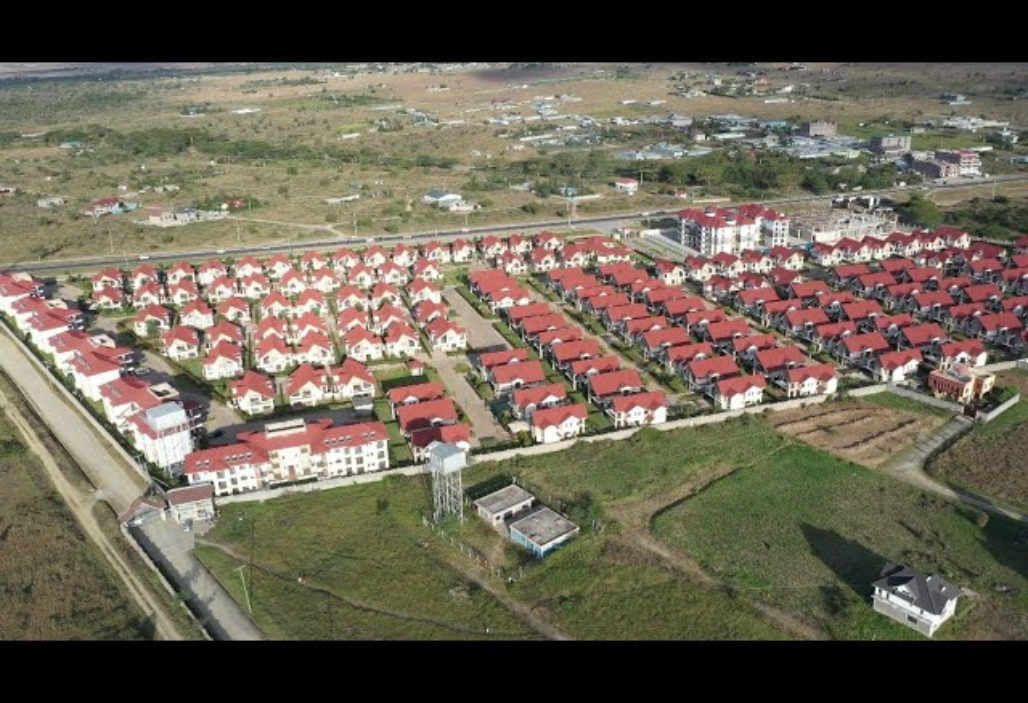
Why Satellite Towns Are Becoming Prime Investment Zones
Satellite towns, the commuter and peri-urban settlements surrounding major cities have shifted from “affordable alternatives” to primary investment targets. For investors, developers and home-buyers, the economics are simple: cheaper land, improving infrastructure, and rising local amenities combine to deliver faster absorption, higher rental yields and long-term capital appreciation. Here’s a concise, research-backed look at what’s driving the shift and how to position yourself.
1. Infrastructure is rewriting value maps
Road upgrades, bypasses and major projects (expressways, ring roads and new public transport corridors) consistently push prices outward from the city core. When a highway, bypass or trunk water and power line reaches a satellite town, development follows quickly; residential estates, retail hubs and light industry all appear, re-rating nearby land. Historical and recent Kenyan examples show measurable uplifts in land value along improved corridors.
2. Better affordability with strong upside
Compared with inner-city parcels, satellite-town land is substantially cheaper per acre or per quarter-acre, making entry easier for first-time investors and small developers. That affordability plus steady demand from middle-income buyers seeking space and lower living costs creates a strong buyer pool and quicker sales absorption. Land-price indices for Nairobi’s satellite towns show consistently lower base prices but with faster catch-up during infrastructure-led growth spurts.
3. Changing lifestyles & demand drivers
Remote and hybrid work, rising vehicle ownership, and the desire for larger homes and private outdoor space have increased demand for peri-urban living. Satellite towns now attract families and professionals who will commute occasionally but want better value and quality of life. This structural demand supports both residential and mixed-use projects. Thuo Gitau Lands Investments
4. Stronger rental yields and faster absorption
Affordable housing and rental units in satellite towns often produce higher gross yields than high-end city apartments because construction costs are lower and tenants are plentiful. Developers targeting affordable housing, build-to-rent, and small rental units have reported quicker take-up in well-located satellite markets than in some oversupplied urban submarkets.
5. Developers & institutions are following the money
When institutional developers and logistics/industrial users move into satellite towns, they catalyze local services: schools, malls, clinics and utilities. That institutional demand reduces speculative risk and signals durable market maturation; a vital step from speculative outpost to sustainable town. Recent market reports note increased developer activity in Kenya’s secondary towns as a key driver of price appreciation.
What investors should check (short due-diligence checklist)
- Infrastructure pipeline: Confirm planned/committed roads, water, sewer and power projects. Projects with funding or government approvals are higher probability.
- Title & survey: Verify the mother title, registered survey plan and absence of caveats or disputes.
- Zoning & county plans: Check permitted land use; residential, commercial or agricultural and any planned county land-use changes.
- Local absorption: Look at recent sales, new developments and rental demand to validate exit options.
- Costs to connect utilities: Add realistic allowances for last-mile power, water and access roads.
Risks to be aware of
- Speculative spikes and slowdowns: Satellite-town prices can cool sharply if macro conditions tighten or household credit dries up. Recent quarters have shown both rapid rises and short corrections in some corridors.
- Infrastructure delays: Promised roads or utilities can be delayed; always treat infrastructure timelines conservatively.
- Land-use conflicts: Rapid peri-urban conversion may create clashes between farming, informal settlement and formal development. Check social and environmental constraints.
Bottom line
Satellite town investment works when you pair location insight with careful due diligence. Look for towns with confirmed infrastructure upgrades, improving amenities, and demonstrable demand from middle-income households. For many investors, satellite plots offer the sweet spot: lower entry cost, attractive yields, and clear pathways to capital growth as urban footprints expand.