

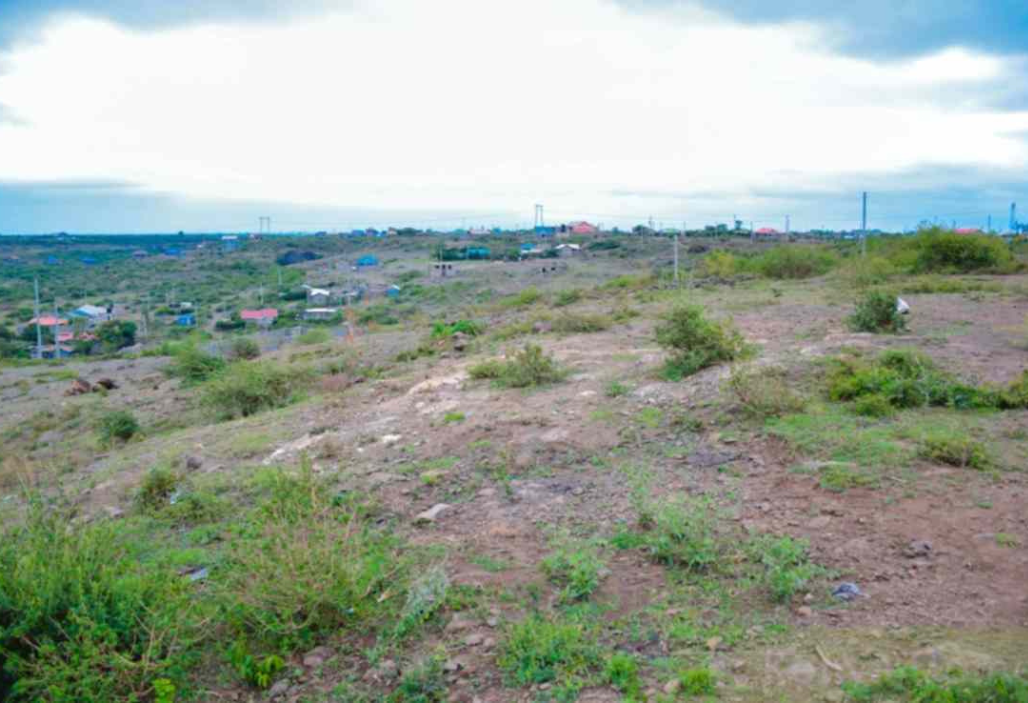
Why Land in Juja Continues to Appreciate (Juja land prices, Juja real estate)
Juja, a fast-growing satellite town northeast of Nairobi has become one of Kenya’s hottest land markets. Investors and homeowners are chasing Juja land because a mix of infrastructure, education, industry and peri-urban demand is reliably pushing prices up.
1. Proven price growth (the data)
Recent market indices show Juja leading Nairobi’s satellite towns in annual land-price growth. According to a HassConsult index reported by Business Daily, land values in Juja rose fastest among Nairobi suburbs in the 12 months to June 2024, a concrete signal that demand is strong and sustained.
2. Transport corridors and the Thika corridor effect
Juja benefits directly from the Thika corridor’s transport upgrades (Thika Superhighway and feeder roads). Improved road connectivity reduces travel time to Nairobi and makes Juja attractive to commuters, developers and logistics operators, a classic infrastructure-led appreciation pattern seen across Kenya’s peri-urban belt. Projects that shorten commutes or add capacity often re-rate nearby land values quickly.
SEO keywords: Thika Superhighway Juja, transport infrastructure land value.
3. Education & steady rental demand (JKUAT and student market)
Jomo Kenyatta University of Agriculture & Technology (JKUAT) in Juja creates a continuous demand pool: students, lecturers and support services need housing, shops and short-stay accommodation. University towns generate predictable rental markets and ancillary services (hostels, eateries), which support both short-term cash flows and long-term capital growth for nearby plots. Academic expansion historically lifts local property markets.
4. Spillover from large developments (Tatu City & industrial growth)
Large, master-planned developments and industrial parks in neighbouring zones (notably Tatu City and Ruiru’s industrial estates) radiate demand outward. When institutional developers, logistics parks and industrial users grow in a corridor, service towns like Juja absorb the housing and small-business demand which in turn lifts plot prices. Listings and market reports regularly link Juja’s gains to proximity to these projects.
5. County investments & local amenities
Kiambu County’s focus on town upgrading (markets, roads, utilities) and new local amenities strengthens Juja’s liveability and investor confidence. County investments reduce development friction (better markets, lighting, water points) and make plots easier to develop and sell, a key driver of peri-urban land appreciation.
What smart buyers should check
- Title & survey: Verify the mother title and registered survey plan; avoid plots with unclear ownership.
- Planned infrastructure: Confirm committed (not just proposed) road or utility projects funded/approved works are the real catalysts.
- Zoning & permitted use: Check county planning rules to confirm you can build or subdivide as intended.
- Market comparables: Compare recent sale prices for quarter-acre parcels in nearby areas (Ruiru, Tatu, Juja Farm) to validate valuation.
- Cost to connect utilities: Factor in last-mile water, electricity and access road costs into your purchase budget.
Risks to watch
- Speculative spikes: Rapid rises can be followed by short corrections if macro credit tightens.
- Infrastructure delays: Promised highways or utilities sometimes slip treat timelines conservatively.
- Land disputes & encumbrances: Peri-urban expansion increases boundary and succession disputes; legal checks are essential.
Bottom line
Juja’s land appreciation is not accidental, it’s the result of transport upgrades, institutional anchors (like JKUAT), spillover from major projects (Tatu City/industrial parks) and active county investments. For investors, Juja offers strong upside, but success depends on rigorous due diligence: clear title, verified infrastructure, and realistic timelines.