

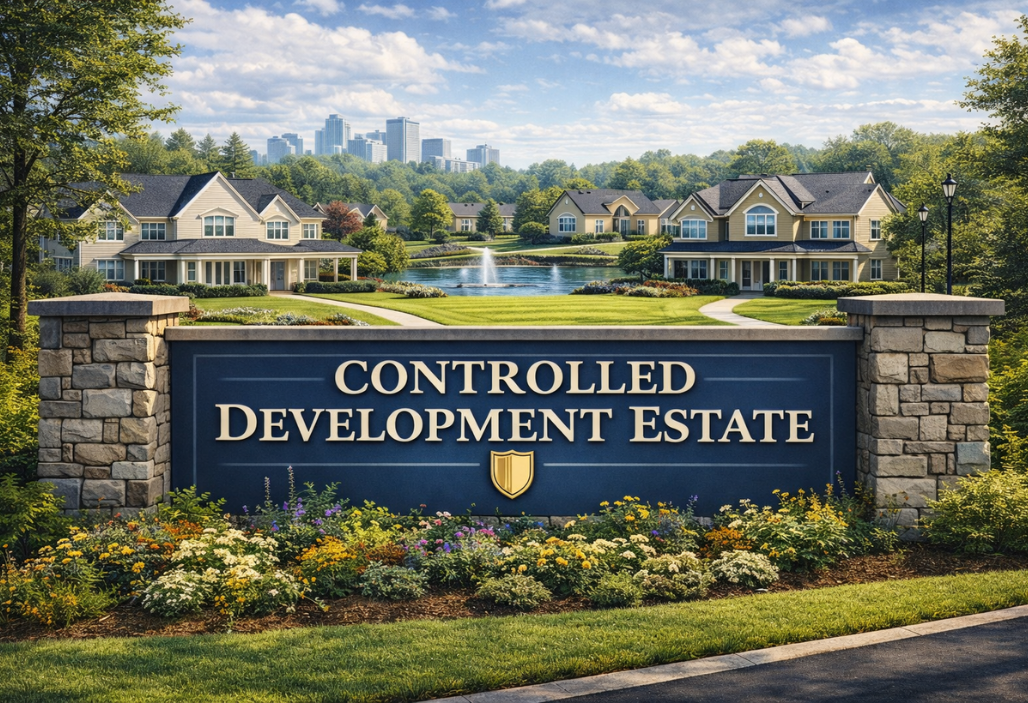
What Is Controlled Development and How Does It Protect Your Property Value?
In today’s fast-growing real estate market, especially in Kenya, smart investors are no longer just buying land, they are buying into planned, protected environments. One of the most important concepts you’ll encounter is controlled development.
But what exactly does it mean, and why does it matter for your investment?
What Is Controlled Development?
Controlled development refers to a planned real estate setup where land use and construction are guided by strict rules and regulations. These rules are typically set by developers, estate management, or local authorities.
Unlike uncontrolled areas where anyone can build anything, controlled developments ensure:
- Uniform building designs
- Clearly defined land use (residential, commercial, etc.)
- Organized infrastructure such as roads, drainage, and utilities
- Enforced community rules and standards
In simple terms, it’s about order, planning, and long-term sustainability.
Key Features of Controlled Development
Understanding the structure of controlled developments helps you see why they are highly valued:
1. Zoning and Land Use Control
Zoning rules dictate what can be built and where. For example, residential areas are protected from noisy businesses like garages or nightclubs.
2. Architectural Guidelines
Developers often enforce design standards such as minimum house size, roofing materials, or fencing styles to maintain a consistent look.
3. Shared Infrastructure
Controlled estates usually come with:
- Well-planned roads
- Water and electricity connections
- Drainage systems
This infrastructure significantly increases land desirability and usability.
4. Security and Access Control
Many controlled developments are gated communities with restricted access, improving safety and privacy.
How Controlled Development Protects Your Property Value
Now to the most important question, how does it actually protect your investment?
1. Prevents Value Dilution
In uncontrolled areas, one poorly constructed building can reduce the appeal of an entire neighborhood.
Controlled development avoids this by ensuring:
- No substandard structures
- No random commercial activities in residential zones
- No visual disorder
This consistency helps maintain and even increase property value over time.
2. Drives Property Appreciation
Property value growth (appreciation) depends heavily on factors like infrastructure, planning, and location.
Controlled developments naturally support these factors by:
- Providing organized layouts
- Ensuring access to essential amenities
- Creating attractive, livable environments
As a result, properties in controlled estates often appreciate faster and attract higher resale prices.
3. Enhances Market Demand
Buyers and tenants prefer environments that are:
- Clean and organized
- Secure
- Predictable
Controlled developments meet all these criteria, making them highly desirable. High demand translates to:
- Better resale opportunities
- Higher rental yields
- Faster property turnover
4. Reduces Risk and Uncertainty
One of the biggest risks in real estate is unpredictability.
Without control, you could face:
- A noisy business next door
- Poor drainage leading to flooding
- Inconsistent infrastructure
Controlled development eliminates these risks through strict planning and enforcement, giving you peace of mind as an investor.
5. Supports Long-Term Community Value
Real estate is not just about land, it’s about the surrounding environment.
Controlled developments promote:
- Well-maintained shared spaces
- Organized growth
- Sustainable community living
This aligns with broader real estate principles where planned development increases usability and long-term asset value.
Controlled vs. Uncontrolled Development
| Feature | Controlled Development | Uncontrolled Development |
|---|---|---|
| Planning | Structured and regulated | Random and unplanned |
| Property Value | Stable and appreciating | Unpredictable |
| Aesthetics | Uniform and attractive | Often inconsistent |
| Risk Level | Low | High |
| Flexibility | Limited | High |
While uncontrolled land may be cheaper, it often comes with hidden long-term costs.
Are There Any Downsides?
To give a balanced view, controlled developments may:
- Limit your design freedom
- Require service charges for maintenance
- Have stricter rules and approvals
However, these “limitations” are actually what protect your investment value in the long run.
Final Thoughts
Controlled development is more than just a real estate buzzword. It is a strategic investment safeguard.
By enforcing rules, ensuring infrastructure, and maintaining order, it protects you from:
- Poor planning
- Neighborhood decline
- Unpredictable property value
If your goal is long-term appreciation, security, and peace of mind, then controlled development is not just a good option, it is a smart investment strategy.