

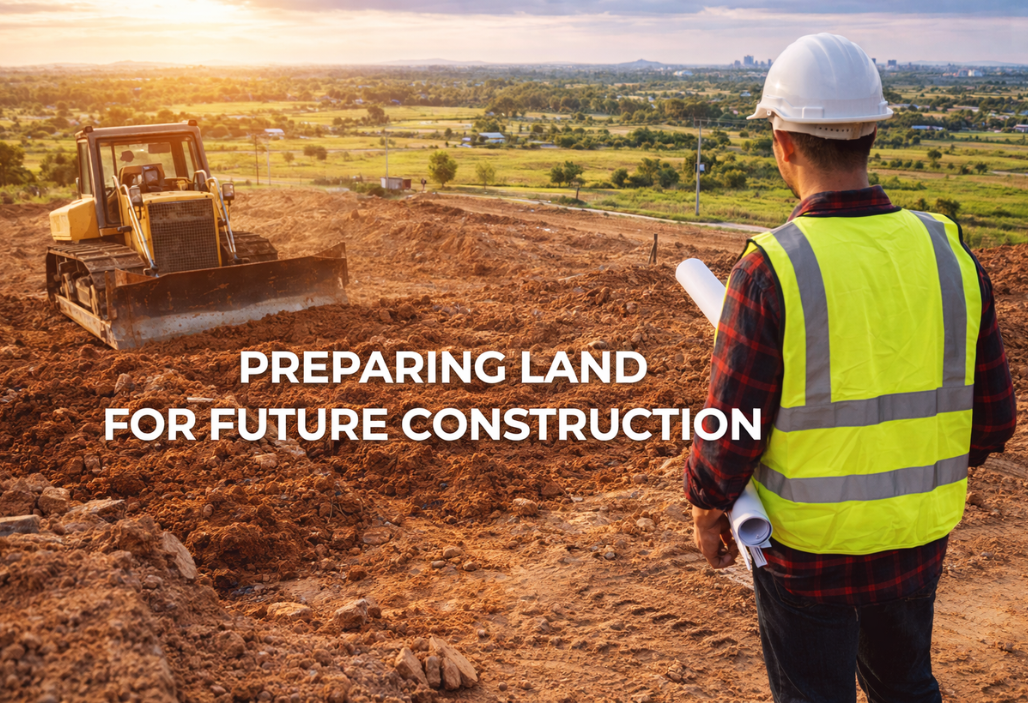
How to Prepare Land for Future Construction: A Step-by-Step Guide for Smart Investors
Preparing land for future construction is one of the most important steps in successful property development. Whether you’re planning to build a home, commercial building, or rental units, land preparation sets the foundation for a safe, cost-effective, and timely project. This guide covers essential actions and expert tips to help you understand the full process of getting land ready for building.
Why Proper Land Preparation Matters
Preparing land before construction ensures the site is:
- Structurally stable for foundations
- Free of hazards or environmental issues
- Legally compliant with zoning and regulations
- Cost-effective by minimizing future site problems
Well-prepared land not only improves build quality but also enhances your overall property value and helps secure financing from banks or investors.
1. Conduct a Detailed Land Survey and Soil Test
Before any construction work begins, start with a professional land survey and geotechnical soil test.
Land Survey
A survey confirms exact boundaries, easements, rights-of-way, and contours of the plot. This ensures no encroachments, disputes, or legal issues that could delay construction.
Soil Testing
Soil tests determine:
- Soil type and composition
- Load-bearing capacity
- Presence of expansive soils or contaminants
- Water table level
Knowing soil conditions early helps engineers design appropriate foundations and avoid costly mid-project changes.
2. Clear the Land and Remove Obstacles
Once you understand your land’s layout and soil properties, the next step is site clearing. This includes:
- Removing trees, shrubs, and undergrowth
- Clearing rocks, debris, and unwanted structures
- Leveling uneven terrain
Be careful to observe environmental regulations about tree removal or protected vegetation. Hire a licensed contractor to handle this safely and efficiently.
3. Grade and Level the Land
Grading and leveling ensure the land is stable and ready for foundation work. It involves:
- Smoothing slopes
- Adjusting soil elevations
- Creating proper drainage patterns
Proper grading prevents water from pooling near foundations, a major cause of structural issues and erosion.
4. Plan and Install Drainage Systems
Water control is crucial for future construction success. Without proper drainage, joints, foundations, and other structures can be damaged by water infiltration.
Best practices include:
- Installing surface and subsurface drains
- Designing swales and culverts
- Preventing water accumulation around foundations
- Protecting against soil erosion
Consult a civil engineer or drainage specialist to design an effective system tailored to your land.
5. Secure Utility Connections
Before building, confirm availability of:
- Electricity connection
- Water supply
- Sewer or septic systems
- Telecommunications and internet services
If utilities aren’t yet installed, work with relevant authorities or utility companies to plan these connections early. Getting utilities ready before construction helps reduce delays and unexpected costs once building begins.
6. Obtain Permits and Regulatory Approvals
Land preparation often requires permits from local or county authorities. Common approvals include:
- Site development permit
- Environmental impact assessment (EIA)
- Zoning and land use clearances
- Building permits
Securing permits in advance avoids fines, work stoppages, or redesigns. This step also ensures your project complies with safety, environmental, and community standards.
7. Secure the Construction Site
Before and during construction, safety matters. Securing your land might include:
- Fencing and gate installation
- Signage and site maps
- Temporary offices or storage areas
- Security guards or surveillance systems
Safety and security reduce theft, injuries, and legal liabilities important considerations for investors and developers alike.
8. Prepare a Detailed Construction Plan and Budget
Finally, collaborate with architects, engineers, and contractors to prepare:
- A comprehensive construction plan
- Clear timelines and milestones
- A realistic budget including contingencies
This ensures your project runs smoothly from groundbreaking to final handover and helps attract financing if needed.
Final Thoughts: Smart Land Preparation Leads to Successful Builds
Preparing land for construction is more than just clearing dirt, it’s about planning, compliance, engineering, and smart investment strategy. Proper site readiness improves project efficiency, controls construction costs, and ultimately boosts property value.
Whether you’re building your dream home, investing in rental property, or developing a commercial space, following these steps puts you in control of your land and your investment success.