

How to Design a Small Kitchen Garden on Your Urban Plot
Creating a small kitchen garden on your urban plot is one of the smartest ways to enjoy fresh, organic food while maximizing limited space. With the rise of urban gardening in Kenya, many homeowners are now turning small plots, balconies, and backyards into productive green spaces.
This guide will show you how to design a beautiful and productive kitchen garden, using modern techniques like container gardening, vertical gardening, and space optimization.
Why Start a Kitchen Garden on Your Urban Plot?
A well-designed kitchen garden offers multiple benefits:
- Access to fresh vegetables and herbs at home
- Reduced food costs
- Better health through organic produce
- Improved aesthetics and property value
Urban gardening allows you to grow food even in small spaces like patios, balconies, or compact plots .
1. Assess Your Space and Sunlight
Before planting anything, evaluate your available space:
- Backyard, balcony, rooftop, or small compound
- Sun exposure (at least 4–8 hours of sunlight daily)
- Access to water
Sunlight is critical because most vegetables like tomatoes and spinach thrive in well-lit areas .
2. Choose the Right Layout for a Small Plot
For a small urban plot, layout is everything. Use space-efficient designs such as:
✔ Raised Beds
- Easy to manage
- Improve soil quality
- Ideal for vegetables
✔ Container Gardening
- Use buckets, pots, or grow bags
- Perfect for limited spaces
- Easy to move and maintain
Container gardening is one of the most effective ways to grow crops like tomatoes, peppers, and herbs in urban areas .
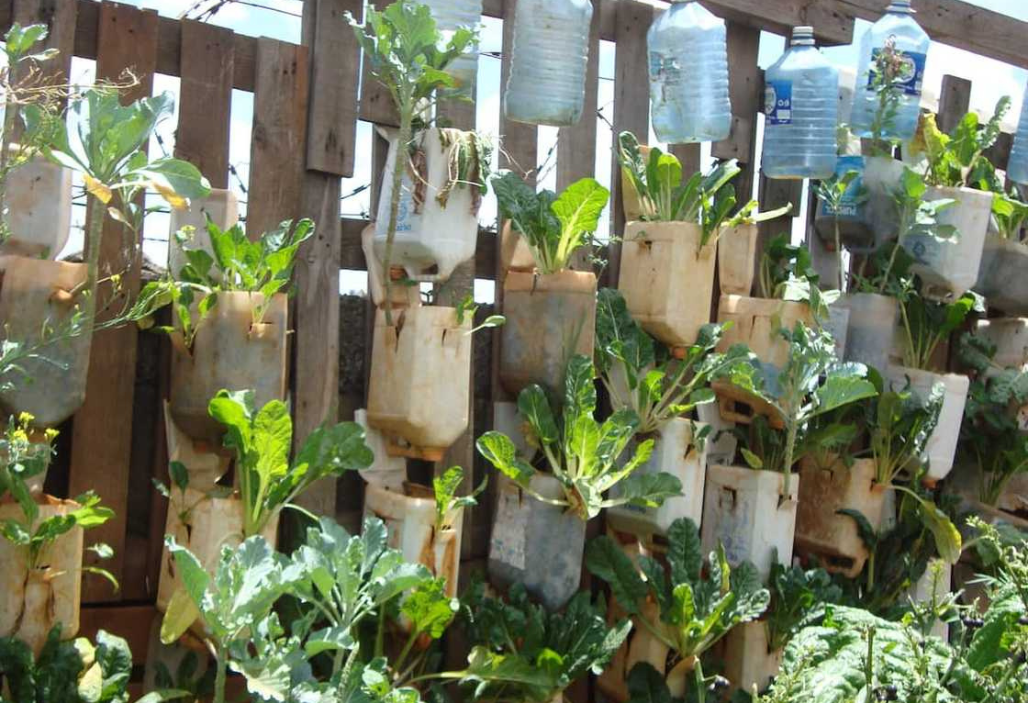
✔ Vertical Gardening
- Use walls, trellises, or hanging pots
- Saves space
- Adds aesthetic appeal
Vertical gardening helps maximize space by growing plants upwards instead of spreading out .
3. Select the Best Crops for a Kitchen Garden
Choose crops that are:
- Easy to grow
- Frequently used in your kitchen
- Suitable for small spaces
Best options include:
- Herbs: basil, mint, coriander, parsley
- Leafy greens: spinach, sukuma wiki, lettuce
- Vegetables: tomatoes, onions, peppers
- Fruits: strawberries
These crops grow well in containers and small plots, making them ideal for urban gardening .
4. Use Smart Space-Saving Techniques
To maximize your small plot:
✔ Mix Planting Methods
Combine:
- Ground planting
- Containers
- Vertical systems
✔ Try Tiered or Stacked Planters
Stacking plants creates depth and allows more crops in less space.
✔ Utilize Walls and Fences
Install:
- Hanging baskets
- Wall planters
- Trellises
Vertical and stacked planters can significantly increase productivity in small gardens .
5. Improve Soil Quality and Drainage
Healthy soil is the foundation of a successful kitchen garden.
Use:
- Compost or organic manure
- Well-draining potting mix
- Raised beds if soil is poor
Good soil improves plant growth, water retention, and nutrient absorption.
6. Plan for Watering and Maintenance
Urban gardens require consistent care:
- Water regularly (especially container plants)
- Ensure proper drainage to avoid root rot
- Use mulch to retain moisture
Container plants dry out faster, so frequent monitoring is important.
7. Add Aesthetic Value to Your Kitchen Garden
A kitchen garden should not only be functional but also beautiful.
Design tips:
- Use different plant heights for layering
- Add flowers like marigolds for color
- Create pathways with stones or gravel
- Use decorative pots or recycled containers
Creative elements like curved paths, colorful plants, and focal features enhance visual appeal even in small gardens .
8. Control Pests Naturally
Protect your garden using:
- Companion planting
- Organic pesticides
- Regular inspection
Healthy gardens require proactive pest control to maintain productivity.
Conclusion
Designing a small kitchen garden on your urban plot is both practical and rewarding. With the right layout, crops, and techniques, even the smallest space can become a productive source of fresh food.
The key is to:
- Plan your space carefully
- Use vertical and container gardening
- Choose the right crops
- Maintain your garden consistently
With these strategies, you can transform your urban plot into a beautiful, functional kitchen garden that supports healthy living and sustainable food production.