

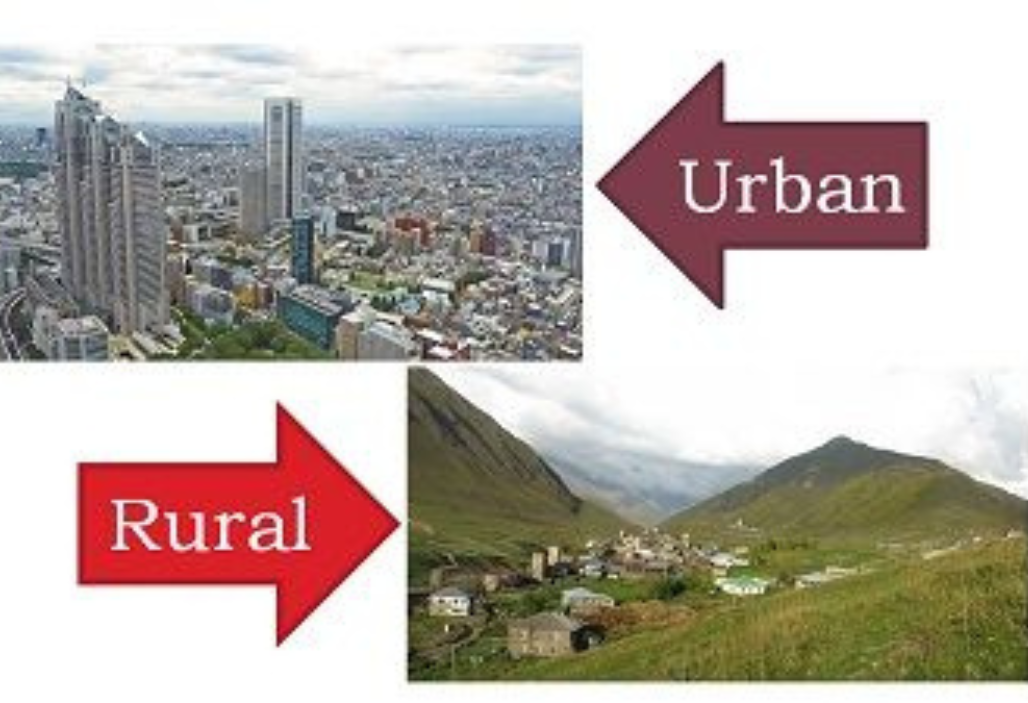
Comparing Urban Plots vs Rural Acreage: Which Is Better for You?
Choosing between urban plots and rural acreage is one of the most important decisions a land investor or homebuyer will make. Both asset types can deliver strong returns, but they differ in liquidity, development potential, costs, risks and long-term strategy. This guide compares the two so you can pick the right land investment for your goals.
Quick summary: the core differences
- Urban plots (residential or commercial lots inside or near cities) offer higher liquidity, faster appreciation, and quicker development potential but they cost more up front and are subject to stricter zoning and higher taxes.
- Rural acreage (farmland, ranches, large undeveloped parcels) often offers lower entry price per hectare, space, and agricultural income potential, but can be illiquid, require more upkeep, and depend on access and infrastructure improvements for value growth.
Advantages of urban plots
- Faster price appreciation & demand. Urbanization and proximity to jobs/amenities drive steady demand for city plots and peri-urban parcels.
- Higher liquidity. Urban plots typically sell faster because of more buyers (developers, homeowners, speculators).
- Easier access to services. Utilities (water, electricity, sewer), roads and internet are usually available or easier to connect.
- Development potential. You can subdivide, build rental units, or develop commercial properties to generate passive income sooner.
- Financing availability. Banks and mortgage providers are more likely to lend against urban plots or developments.
Advantages of rural acreage
- Lower cost per acre. You get more land for less money; good for large-scale agriculture, forestry, or conservation projects.
- Income opportunities from farming or leasing. Farmland can generate rental income, crops or grazing fees while you hold.
- Diversification & long-term upside. Rural land can become peri-urban over decades as cities expand,. High upside if you hold patiently.
- Lifestyle value. For buyers seeking privacy, retreats, or large-scale projects (eco-tourism, estates), rural acreage fits better.
Risks & downsides: what to watch for
- Urban plots: higher taxes/holding costs, stricter planning and permit hurdles, potential overpricing in speculative markets, noise and congestion.
- Rural acreage: low liquidity, infrastructure costs (roads, boreholes, power), land-use restrictions, climate or water risk for agriculture, and sometimes unclear title issues.
Decision checklist: which should you choose?
Ask yourself:
- Is short-to-medium-term liquidity important? → Urban plot.
- Do you want immediate rental/development income? → Urban plot or peri-urban.
- Are you planning agriculture, forestry or large recreational projects? → Rural acreage.
- Is lower upfront cost with a long-horizon payoff OK? → Rural acreage.
- Do you have time and appetite to manage land (maintenance, tenanting, farming)? → If yes, rural can work; if no, prefer urban.
Smart strategies for both markets
- Urban plots: look for under-served peri-urban corridors near new roads or infrastructure projects (transit, ring roads). Verify zoning, plot size, and utility access before buying. Consider small-scale subdivision or build-to-rent models.
- Rural acreage: secure water rights, test soil/climate suitability, confirm access roads and title clarity. Explore leasing to farmers or agro-partnerships while you wait for appreciation.
Bottom line
There’s no universal “better” option. Urban plots suit investors who want liquidity and quicker returns; rural acreage fits buyers after scale, agricultural income, or long-term appreciation. Match the choice to your timeline, risk tolerance, and active vs passive management preference.