
Why the Naivasha Dry Port Is Driving Land Prices in the South Rift
The South Rift region of Kenya is experiencing a rapid surge in land prices and at the center of this transformation is the Naivasha Inland Container Depot (ICD), commonly known as the Naivasha dry port. This multi-billion infrastructure project is reshaping the economic landscape of Nakuru County and beyond, turning previously quiet areas like Mai Mahiu into prime real estate investment hubs.
In this article, we explore why the Naivasha dry port is driving land prices in the South Rift, and what it means for investors, developers, and landowners.
What Is the Naivasha Dry Port?
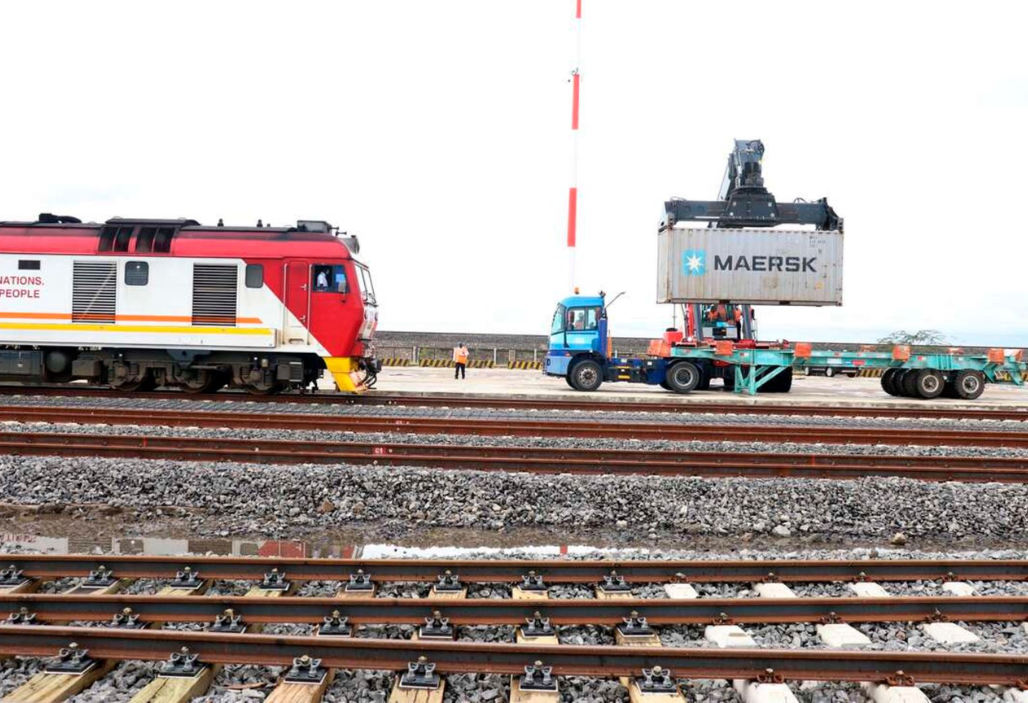
The Naivasha dry port is an inland cargo handling facility connected to the Standard Gauge Railway (SGR). It was officially opened in 2022 to facilitate the movement of goods from the Port of Mombasa to inland countries such as Uganda, Rwanda, South Sudan, and the Democratic Republic of Congo.
Strategically located in Naivasha town, about 90 km from Nairobi, the dry port has positioned the region as a key logistics and industrial hub in East Africa.
1. Strategic Location and Connectivity
One of the biggest drivers of rising land prices is improved connectivity. The South Rift region sits along the Nairobi–Nakuru highway and is now linked by rail through the SGR.
This connectivity means:
- Faster movement of goods and services
- Reduced transportation costs
- Increased accessibility for businesses
Areas such as Mai Mahiu and Longonot are now highly attractive due to their proximity to the dry port and major transport corridors. This has significantly increased demand for land.
2. Growth of Industrial and Special Economic Zones
The establishment of the Naivasha Industrial Park and Special Economic Zone (SEZ) has created massive demand for land. Investors are acquiring land for:
- Warehouses and logistics centers
- Manufacturing plants
- Distribution hubs
For example, land near the dry port is being marketed for commercial use, including factories and business parks.
As industries move into the area, land that was once considered rural is now becoming prime commercial property driving prices upward.
3. Rising Demand from Investors and Speculators
The “infrastructure effect” is a well-known phenomenon in real estate. When major government projects are introduced, investors rush to buy land early in anticipation of future gains.
In Naivasha:
- Land prices have increased steadily due to speculation
- Investors are buying and holding land for resale
- Developers are subdividing land into smaller plots for quick sales
Some listings show plots near the dry port selling for under KSh 1 million a few years ago, with prices steadily rising as infrastructure develops.
4. Population Growth and Urban Expansion
Naivasha has experienced rapid population growth, reaching over 355,000 people as of the latest census.
With the dry port attracting:
- Workers
- Businesses
- Service providers
there is an increasing demand for:
- Housing
- Schools
- Hospitals
- Retail centers
This urban expansion is pushing land demand beyond the town center into surrounding areas like Mai Mahiu, accelerating price appreciation.
5. Infrastructure Development Beyond the Dry Port
The dry port has triggered a ripple effect of infrastructure development, including:
- Road upgrades (Naivasha–Mai Mahiu road)
- Power and water connections
- Proposed airstrips and logistics hubs
These developments make land more usable and attractive for both residential and commercial purposes. As a result, previously undervalued land is now gaining premium status.
6. Tourism and Natural Appeal of the Rift Valley
Beyond industrial growth, the South Rift region remains a top tourist destination, home to:
- Lake Naivasha
- Mount Longonot
- Hell’s Gate National Park
This combination of economic development + natural beauty makes the area ideal for:
- Holiday homes
- Hotels and resorts
- Airbnb investments
The dual demand from both tourism and industry is further fueling land price increases.
7. Limited Supply of Prime Land
As demand rises, the supply of strategically located land near the dry port is becoming limited. Real estate data shows that available listings are relatively few compared to growing demand, contributing to price escalation.
This scarcity effect is a key factor pushing prices higher, especially for land close to infrastructure projects.
Benefits for Investors
The growth driven by the Naivasha dry port presents several opportunities:
- High capital appreciation
- Increased rental yields
- Opportunities for commercial development
- Long-term investment security
Early investors are already seeing significant returns as land values continue to rise.
Risks to Consider
Despite the opportunities, investors should also be cautious:
- Speculative bubbles may inflate prices
- Infrastructure projects may take time to fully mature
- Environmental factors (e.g., rising lake levels) may affect some areas
Conducting due diligence is essential before investing.
Conclusion
The Naivasha dry port is more than just a logistics facility, it is a powerful economic catalyst transforming the South Rift region. Through improved connectivity, industrial growth, and increased demand, it has become a key driver of rising land prices.
For investors, the message is clear: infrastructure shapes real estate value. As Naivasha continues to develop into a regional trade hub, land in the South Rift is likely to remain one of Kenya’s most promising investment opportunities.