

How to Secure Your Land from Squatters While Working Abroad (Complete Guide for Kenyans in Diaspora)
Many Kenyans working abroad invest in land at home, but one of the biggest fears is finding squatters, illegal occupants, or disputes on the property after years away. Cases of people losing land due to long-term occupation are real, especially because Kenyan law allows someone to claim land through adverse possession if the owner fails to act for many years.
This guide explains how to secure your land from squatters while working abroad, the legal risks, and the best ways to protect your investment.
Understanding the Risk: How Squatters Can Take Your Land
In Kenya, the law recognizes a principle called adverse possession, which allows a person to claim ownership of land if they occupy it continuously without the owner’s permission for at least 12 years.
For a squatter to succeed in such a claim, the occupation must be:
- Continuous
- Open (not secret)
- Without the owner’s consent
- For at least 12 years without interruption
- Known to the owner or the public
This means if you stay abroad for many years and do nothing about people using your land, you could risk losing it legally.
Because of this, landowners living outside the country must take extra steps to protect their property.
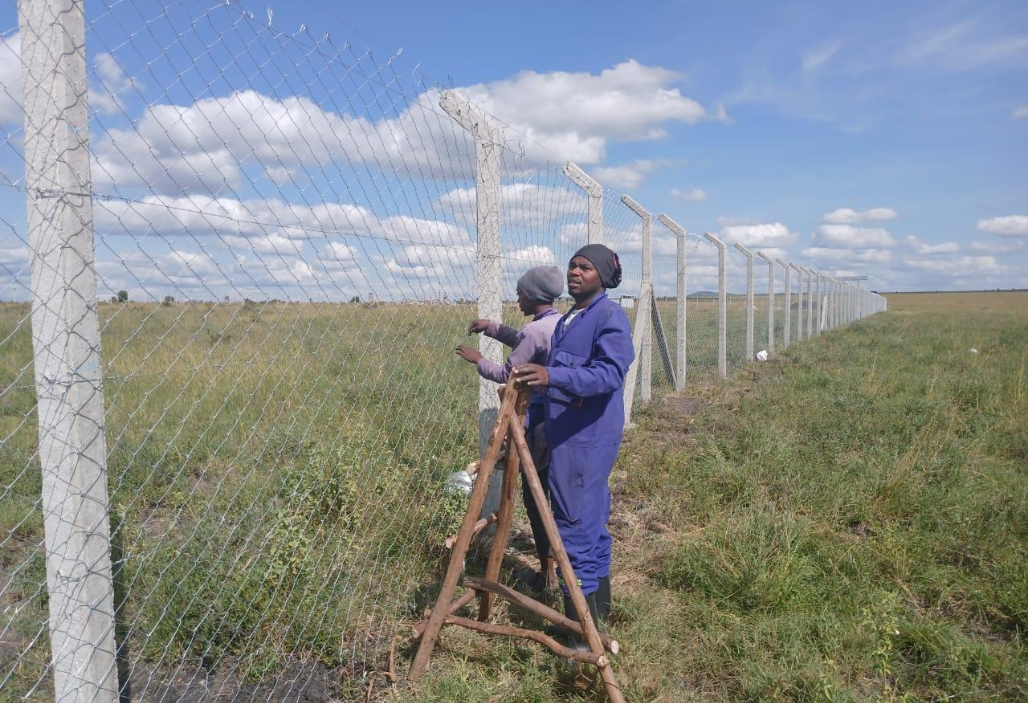
1. Fence Your Land Immediately After Buying
One of the best ways to prevent squatters is to show that the land is actively owned.
Put up:
- A strong fence
- Beacons clearly marked
- A gate if possible
- A signboard showing ownership
Physical barriers discourage trespassers and show that the land is monitored.
Security experts say vacant property should have strong physical protection to reduce illegal entry and vandalism.
2. Visit the Land Regularly or Send Someone You Trust
Land left unattended for long periods becomes a target.
If you are abroad:
- Ask family to check the land
- Hire a caretaker
- Use a land agent
- Request neighbors to monitor it
Regular inspection is important because squatters often move into land that appears abandoned.
Property security guides recommend keeping regular checks to prevent unauthorized occupation.
3. Keep All Ownership Documents Safe and Updated
Always keep copies of:
- Title deed
- Sale agreement
- Transfer documents
- Land search results
- Beacon certificate
If a dispute happens, these documents prove ownership.
In many land cases, failure to keep proper records makes it harder to defend ownership in court.
4. Put the Land to Use
Unused land is more likely to be invaded.
You can:
- Lease it for farming
- Build a small structure
- Plant trees
- Use it for grazing
- Start a simple project
Adverse possession claims often succeed when the owner leaves the land idle for years.
Using the land shows active control and prevents squatters from claiming it.
5. Register the Land Correctly at the Lands Office
Make sure the land is fully registered in your name.
Confirm:
- Title deed is genuine
- Transfer completed
- Records updated at the Lands Registry
If records are not updated, someone may try to claim the land.
Kenyan land laws require proper registration for ownership to be protected.
6. Appoint a Lawyer or Land Agent in Kenya
If you live abroad, it is wise to have a trusted professional who can act on your behalf.
They can:
- Monitor the land
- Handle disputes
- Check registry records
- Report trespassers
- File legal action if needed
Quick action is important because adverse possession depends on how long the occupier stays without interruption.
7. Take Action Immediately if Someone Enters Your Land
Do not ignore squatters.
If someone occupies your land:
- Report to local authorities
- Send a demand letter
- File a case if necessary
- Remove them legally
Courts may deny squatters ownership if the owner shows effort to stop the occupation.
Adverse possession only works when the owner fails to act for many years.
8. Work Only with Trusted Land Companies
Many diaspora investors lose land due to fraud or poor documentation.
Always buy land from a trusted company like
Thuo Gitau Lands Investments,
where buyers receive:
- Genuine title deeds
- Verified plots
- Proper documentation
- Clear ownership records
Buying genuine land reduces the risk of future disputes.
Conclusion
Working abroad should not mean risking your land back home. Squatters often target land that looks abandoned, and Kenyan law allows long-term occupants to claim ownership if the owner fails to act.