

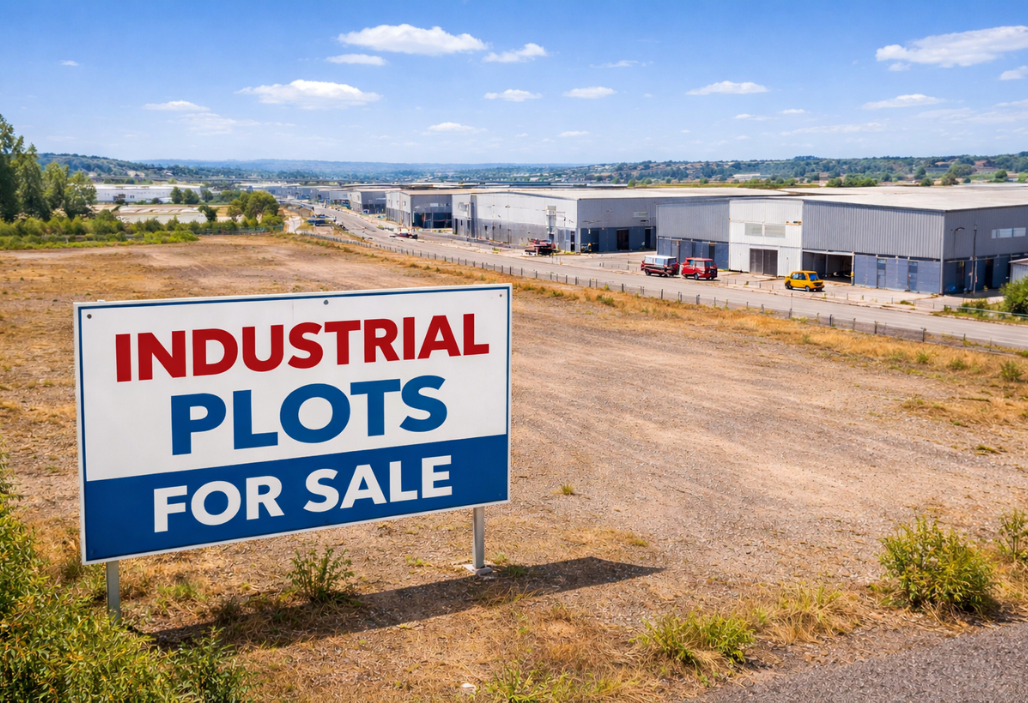
Land for Warehousing: The Rising Demand for Industrial Plots in Ruiru (2026)
The industrial and logistics sector in Kenya is undergoing a major transformation and Ruiru, Kiambu County is quickly becoming one of the most attractive locations for warehousing and industrial land development outside Nairobi. From its strategic transportation links to growing demand from e-commerce, manufacturing, and logistics companies, the market for industrial plots and warehouse land in Ruiru is booming in 2026. This guide explores the drivers of this trend, current land price dynamics, and why investors and developers are increasingly eyeing this corridor.
Why Ruiru Is Emerging as a Warehouse & Industrial Hub
Strategic Transport Connectivity
Ruiru’s location plays a major role in its industrial appeal. It is situated near key transport arteries like the Thika Superhighway, Northern Bypass, and Eastern Bypass, giving direct access to Nairobi, JKIA (Jomo Kenyatta International Airport), and major logistics routes. These connections reduce transportation costs and streamline distribution critical factors for warehousing and logistics operations.
With improved road infrastructure, industrial parcels in Ruiru are well-suited for last-mile delivery hubs, distribution centers, and regional warehousing facilities that support both local and international supply chains.
Economic Drivers: From Manufacturing to E-Commerce
Industrial Growth Beyond Nairobi
Industrial land demand in Kenya has historically been concentrated in Mombasa Road and Nairobi’s Industrial Area. However, limited available land and high costs in those central nodes have pushed developers and occupiers to emerging industrial corridors such as Ruiru, Syokimau, Athi River, and the Eastern Bypass zones.
Ruiru’s industrial ecosystem benefits from:
- Manufacturing activity: including steel mills, textiles, and food processing plants.
- Growing e-commerce operations that require flexible and well-located warehouse space.
- Distribution hubs for consumer goods, appliances, and retail products targeting Nairobi and Central Kenya.
According to industry insights, occupancy levels in Nairobi’s outer industrial zones average 80% or more, reflecting robust demand for warehousing and logistics space that meets modern operational requirements.
Current Land Prices and Investment Dynamics
Industrial Land Price Ranges
Industrial and warehouse-ready land in Ruiru varies by location, site readiness, and proximity to infrastructure:
- Undeveloped industrial land: Around KSh 3–6 million per acre for basic plots.
- Serviced plots (utilities and road access): Up to KSh 5–8 million per acre in prime zones.
- High-value parcels nearer major corridors: Premium plots along the Eastern Bypass and Thika Road can command higher prices due to better logistics access.
These price levels make Ruiru competitive compared to traditional industrial nodes such as Mombasa Road, where scarcity and development costs push land values much higher.
Size & Zoning for Warehousing
Industrial land in Ruiru spans a variety of sizes, from smaller warehouse plots (¼–½ acre) suitable for light logistics and distribution centers to large parcels (1–5 acres or more) targeted for manufacturing, storage hubs, and integrated logistics parks.
County zoning regulations support light-to-medium industrial operations, including warehousing and storage facilities essential for buyers who want clear land use classification and faster project approvals.
Who’s Driving Demand for Warehousing Land?
E-Commerce and Retail Expansion
One of the strongest drivers of warehousing land demand is the rapid expansion of e-commerce platforms in Kenya. As digital retail channels like Jumia, Kilimall, and emerging regional platforms grow, so does the need for modern, last-mile warehouse and fulfillment centers.
These businesses require well-connected, scalable space close to consumer markets, a key reason operators are choosing Ruiru as a base for warehousing and distribution.
Manufacturers and SMEs
Manufacturers and small-to-medium enterprises (SMEs) that serve local and regional markets are also significant tenants in Ruiru’s industrial market. With access to major highways and relatively affordable land, Ruiru allows businesses to:
- Expand operations with larger warehouse footprints
- Reduce cost of goods movement
- Access Nairobi’s labor market and consumer base
This diversification of industrial users strengthens the long-term outlook for warehouse land in the area.
The Logistics and Supply Chain Advantage
Proximity to Distribution Networks
Ruiru’s proximity to Nairobi’s industrial belt and vital transport infrastructure gives warehouse operators a cost-effective position for both regional distribution and national logistics operations.
Enterprises can manage inventory close to demand centers, shortening delivery times and cutting transport costs, a key competitive advantage for retailers and manufacturers alike.
Lower Operating Costs Compared to Inner Nairobi
Unlike inner-city industrial zones where land is expensive and congested, Ruiru offers:
- More affordable land prices per acre
- Lower construction and operation costs
- Easier access for heavy vehicles and logistics fleets
These factors attract businesses that require large footprint properties with seamless accessibility for trucks and storage operations.
Outlook: Warehousing Land in Ruiru to 2030
Experts forecast continued growth in industrial demand as Kenya’s economy strengthens and logistics requirements expand. With key infrastructure projects including bypass expansions and city-to-port logistics improvements, industrial land in Ruiru is poised to appreciate further as a strategic logistics and warehousing hub within the Nairobi Metropolitan Area.
Conclusion: Strategic Opportunity for Investors and Developers
In 2026, industrial plots for warehousing in Ruiru are one of the most attractive real estate opportunities in Kenya. Fueled by logistics, e-commerce growth, manufacturing demand, and strong connectivity, demand for land suitable for warehouses and distribution centers continues to rise. Investors and developers considering land acquisition in Ruiru now have a chance to position themselves in one of the country’s fastest-growing industrial corridors with solid potential for long-term value appreciation, rental yields, and strong occupancy.
Pro Tip: Before purchasing industrial land in Ruiru, always verify zoning with Kiambu County, confirm land title status, and assess access to utilities like three-phase power, water, and high-capacity road links to maximize your return on investment.