

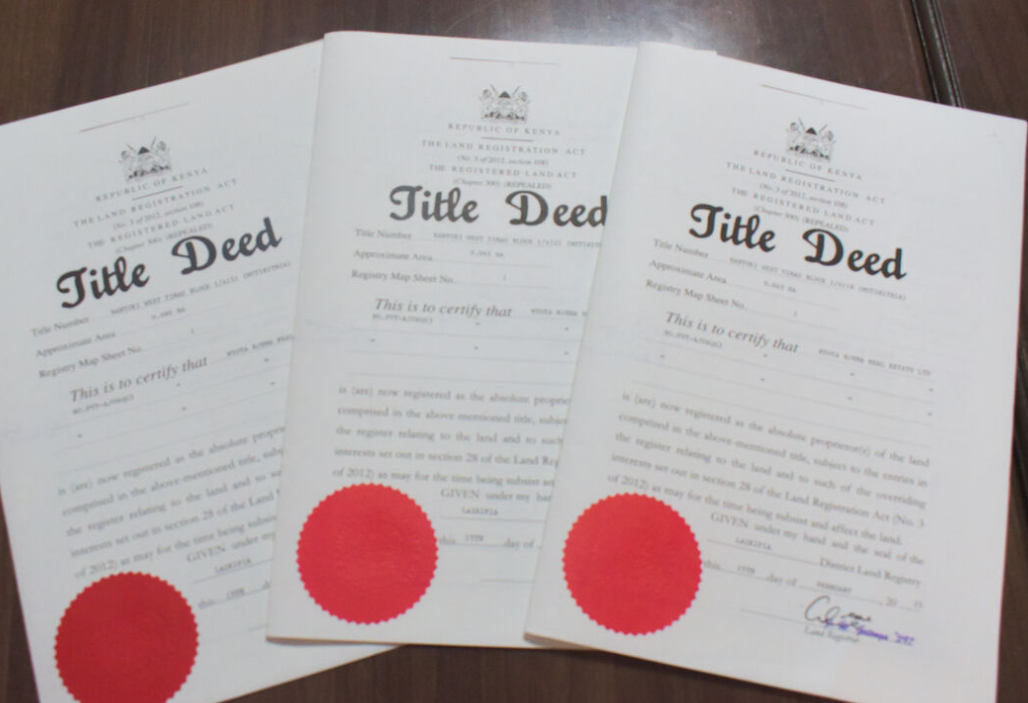
How to Transfer Land Ownership in Kenya. A Step-by-Step Title Deed Transfer Guide (2025)
Transferring land ownership in Kenya commonly known as title deed transfer, is a crucial legal process that ensures the new buyer officially becomes the recognized owner of a parcel of land. Whether you’re buying, inheriting, or gifting property, it’s important to understand how the transfer works to avoid fraud, penalties, or future disputes.
1. Conduct an Official Land Search
Before any agreement or payment, start with an official land search at the Ministry of Lands through Ardhisasa (for Nairobi) or the County Lands Registry.
The land search confirms:
- The registered owner of the land
- The exact parcel number and size
- Any existing encumbrances (charges, caveats, or restrictions)
You can do the search online through the Ardhisasa platform or visit your local Lands Registry. The search helps prevent scams involving fake title deeds or double ownership.
Tip: Always obtain a certified land search not older than six months.
2. Draft and Sign a Sale Agreement
Once the land search confirms ownership, engage a licensed advocate to draft a Sale Agreement. This legal contract outlines:
- The purchase price
- Payment terms and deposit
- Completion period
- Obligations of both parties
- Penalties for breach of contract
Both the buyer and seller should sign the agreement in the presence of witnesses. The advocate also ensures the agreement adheres to Kenyan property laws under the Law of Contract Act (Cap 23).
3. Apply for Land Control Board (LCB) Consent
If the land is agricultural, you must obtain consent from the Land Control Board (LCB) before any transfer takes place.
The LCB ensures that land transactions comply with the Land Control Act (Cap 302) and that the sale is genuine. The buyer and seller (or their representatives) must appear before the board for approval.
Required documents:
- Completed LCB Form 1 (application)
- Original title deed and copy
- Copies of IDs and KRA PINs
- Sale agreement
Without LCB consent, the transaction is void and cannot be registered.
4. Valuation for Stamp Duty Assessment
After obtaining consent, the property must be valued by a government valuer to determine the stamp duty payable.
The stamp duty rates are as follows:
- 4% of the property’s value for urban areas
- 2% for agricultural or rural land
The valuation is conducted by the Ministry of Lands or the County Valuation Department, and an official report is issued.
Payment is made to the Kenya Revenue Authority (KRA) through the iTax portal, and you’ll receive a stamp duty payment receipt.
5. Prepare and Execute the Transfer Instruments
Your advocate will now prepare the Transfer Instrument (Form L.R. 19 or L.R. 1) and supporting documents. Both parties must sign these documents in the presence of witnesses and a Commissioner for Oaths.
Documents required include:
- Original title deed
- Sale agreement
- LCB consent
- KRA PIN certificates (buyer & seller)
- ID copies and passport photos
- Valuation report
- Stamp duty payment receipt
- Clearance certificates (land rent & rates)
- Transfer form
If a company is involved, you’ll also need:
- Certificate of Incorporation
- Board resolution authorizing the sale or purchase.
6. Lodge Documents at the Lands Registry / Ardhisasa
Once all documents are signed and payments cleared, your lawyer lodges the transfer documents with the Lands Registry (or submits digitally via Ardhisasa for properties in Nairobi).
The registry will:
- Verify all documents
- Confirm stamp duty payment
- Update ownership in the official register
- Cancel the old title and issue a new title deed in the buyer’s name
This process typically takes between 2–4 weeks, depending on the workload at the registry.
7. Collect the New Title Deed
Once the process is complete, the buyer (or their lawyer) can collect the new title deed. Always confirm:
- Correct spelling of your name
- Accurate parcel number and size
- That the previous owner’s details have been fully replaced
Store your title deed safely and consider lodging a caveat to protect against unauthorized transactions.
8. Common Mistakes to Avoid During Land Transfer
- Failing to conduct a proper land search
- Buying land without LCB consent (for agricultural land)
- Paying stamp duty late (can lead to penalties)
- Not using a licensed conveyancing advocate
- Accepting photocopied title deeds instead of verified originals
These errors can delay registration or expose you to fraud.
Final Thoughts
The land ownership transfer process in Kenya may seem lengthy, but every step is designed to protect both the buyer and seller. Ensuring proper documentation, valuation, and registration guarantees that your investment is safe and legally recognized.
If you want professional assistance with title verification, sale agreements, or Ardhisasa registration, Thuo Gitau Lands Investments offers trusted, transparent, and guided land transfer services to help you invest with confidence.